
Balcony Mold Cleanup
Professional removal and treatment of mold growth on balconies and adjacent structures.
Balcony mold in Victorville, CA, thrives in the area’s dry climate when moisture lingers on decks, railings, or under-structures. Professional cleanup involves containment, targeted removal, and moisture control to prevent regrowth. Unlike surface wipes, this work addresses hidden growth and fixes underlying causes to help the finish last longer.
When balcony mold needs professional help
Mold covering more than a small patch, recurring after cleaning, or hidden behind surfaces often signals a deeper issue. In California, growth exceeding 25 contiguous square feet typically requires licensed remediation, as DIY methods may spread spores or miss hidden moisture sources.
We also handle Mold & Asbestos Testing and HVAC Mold Remediation for Victorville properties.
Musty smells—especially those linked to HVAC airflow—can indicate mold in walls, ducts, or framing.
Property owners should also watch for mold returning in the same spot after cleaning, as this usually means the moisture source (like a leak or poor drainage) wasn’t addressed. Stagnant air in enclosed spaces, such as windowless balconies or poorly ventilated areas, can also contribute to persistent mold problems.
Signs Professional Balcony Mold Cleanup Is Needed
- Mold covers more than a small, isolated patch (especially over 25 sq. ft. of contiguous growth)
- Growth keeps returning after cleaning, even in the same location
- A musty smell persists with no visible mold, or worsens when HVAC runs
- Mold appears on multiple surfaces (decking, railings, subfloor) or in hard-to-reach areas
- Visible signs of moisture damage (warping, discoloration) near the affected balcony
What affects pricing and timeline for balcony mold work
Pricing for balcony mold cleanup in Victorville varies based on the size of the affected area, the type of surfaces involved (porous materials like wood may require more extensive work), and whether black mold (Stachybotrys) is confirmed.
Containment, HEPA filtration, and clearance testing are standard steps that influence costs. Drying time for structural materials can also extend the total project duration, depending on humidity levels and airflow.
Hidden mold discovered during removal may require additional work, such as opening walls or subfloors, which can affect both cost and timeline. A written scope of work upfront helps avoid surprises, as change orders after demolition begins are common without clear documentation.
Common mistakes that make mold come back
Skipping containment during removal can spread spores to unaffected areas, turning a small job into a larger one. Using non-HEPA vacuums or air scrubbers recirculates spores instead of capturing them, while fixing the symptom (visible mold) without the cause (moisture source) ensures regrowth.
Post-remediation clearance testing confirms whether the work addressed the issue—or left hidden spores behind.
| Mistake | Why It Fails | How to Avoid It |
|---|---|---|
| No containment during removal | Spores drift into other rooms via airflow or open doors | Use plastic sheeting and negative-air machines to seal the work area |
| Using standard (non-HEPA) vacuums or air scrubbers | Filters don’t capture spores—spores return to the air | Require HEPA filtration for all equipment |
| Cleaning mold without fixing leaks or grading issues | Moisture keeps feeding growth, leading to quick recurrence | Inspect and repair moisture sources as part of the job |
| Skipping post-remediation clearance testing | No confirmation that spores are gone, even if mold looks removed | Demand independent air or surface sampling after work |
How balcony mold cleanup works
Professional cleanup follows a structured process to remove mold and prevent regrowth.
- 1Containment Setup
Plastic sheeting and negative-air machines seal off the balcony and adjacent areas to prevent spores from spreading during removal. This step is critical for keeping unaffected spaces clean.
- 2Material Removal or Cleaning
Porous materials like wood or insulation that absorb mold are cut out and bagged, while non-porous surfaces (tile, metal) are scrubbed with antimicrobial solutions. This targets both visible and hidden growth.
- 3HEPA Filtration and Drying
HEPA air scrubbers run continuously to capture airborne spores, and industrial dehumidifiers dry structural materials to normal moisture levels. Drying helps ensure mold doesn’t regrow on damp surfaces.
- 4Clearance Testing
An independent lab tests air or surfaces after work to confirm spore counts are back to normal levels. This step verifies whether the remediation was effective.
- 5Moisture Source Repair
Fixing leaks, improving drainage, or adjusting ventilation addresses the root cause. Without this, mold is likely to return even after cleanup.
Frequently asked questions
Can I clean balcony mold myself if it’s just a small patch?
Small, isolated patches (under 25 sq. ft.) can often be cleaned with vinegar or a commercial mold killer, but even then, fixing the moisture source is key. If the mold keeps coming back or spreads, professional remediation is recommended to avoid hidden growth.
Why does balcony mold smell worse after cleaning?
Disturbing mold releases spores and volatile organic compounds (VOCs), which can temporarily worsen odors. Proper containment and HEPA filtration during cleanup help contain these particles and improve airflow afterward.
How long does it take to dry the balcony after mold removal?
Drying time depends on humidity, airflow, and the size of the affected area. Industrial dehumidifiers typically run for 24–72 hours to bring materials to normal moisture levels, but high-humidity conditions may extend this.
Do I need to move out during balcony mold cleanup?
Containment keeps spores from spreading to other parts of the home, so you usually don’t need to leave. However, if the work disrupts living spaces (like opening walls), temporary relocation may be advised for comfort.
Where Victorville sits, and what the Census lists nearby
Victorville sits in California, and the closest places listed in the U.S. Census Gazetteer are Mountain View Acres (2.1 miles south), Spring Valley Lake (5.3 miles southeast), Adelanto (6.1 miles northwest), Apple Valley (8.2 miles east).
Within 25 miles of Victorville the same source lists 13 distinct incorporated places and census-designated places.
Those figures matter for balcony mold cleanup because they are straight-line distances between Census coordinate points: road mileage between Victorville and Mountain View Acres runs longer than the 2.1 miles shown, which is why quotes for the same job differ between towns that look close together on a map.
Source: U.S. Census Bureau Gazetteer.
See San Bernardino, CA for more, or discover our complete Victorville service list on a single page for our complete lineup.
Ready to get started?
Talk to a local mold remediation pro in Victorville — get a written quote.
Other Mold Remediation Services in Victorville
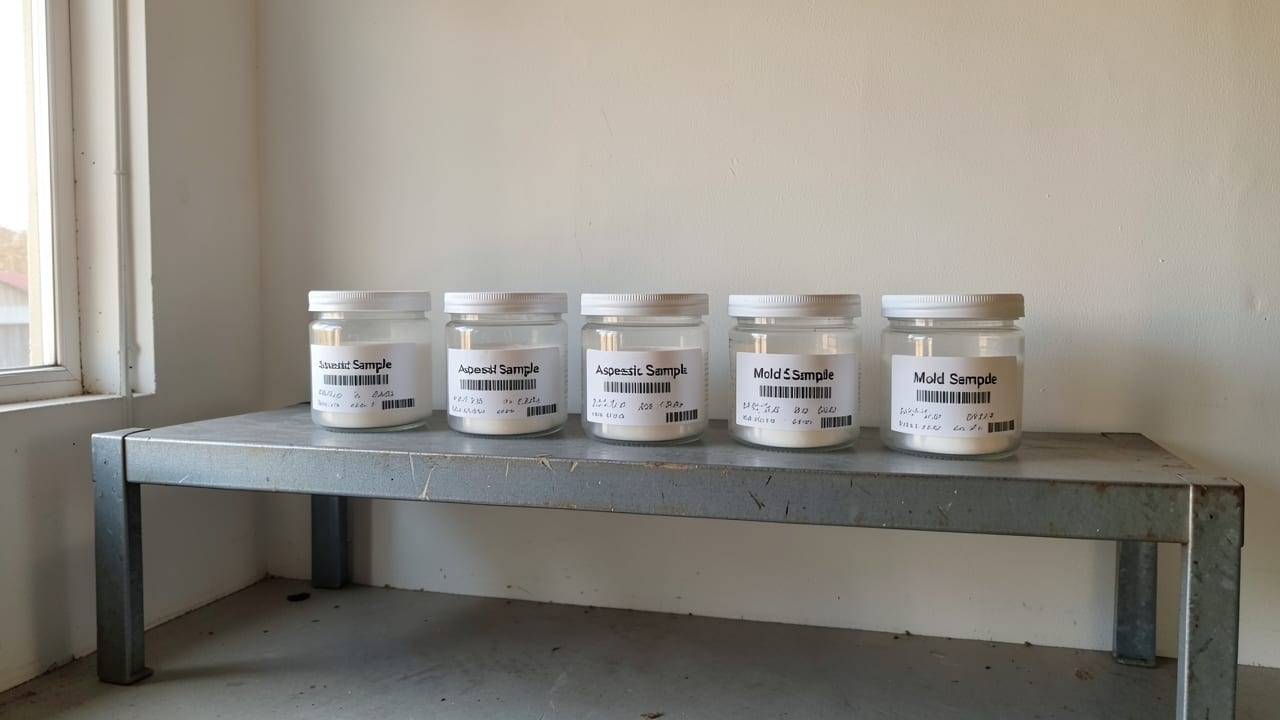
Mold & Asbestos Testing in Victorville, CA
Combined mold and asbestos testing in Victorville, CA — one inspection visit, lab-verified results for both.
Learn More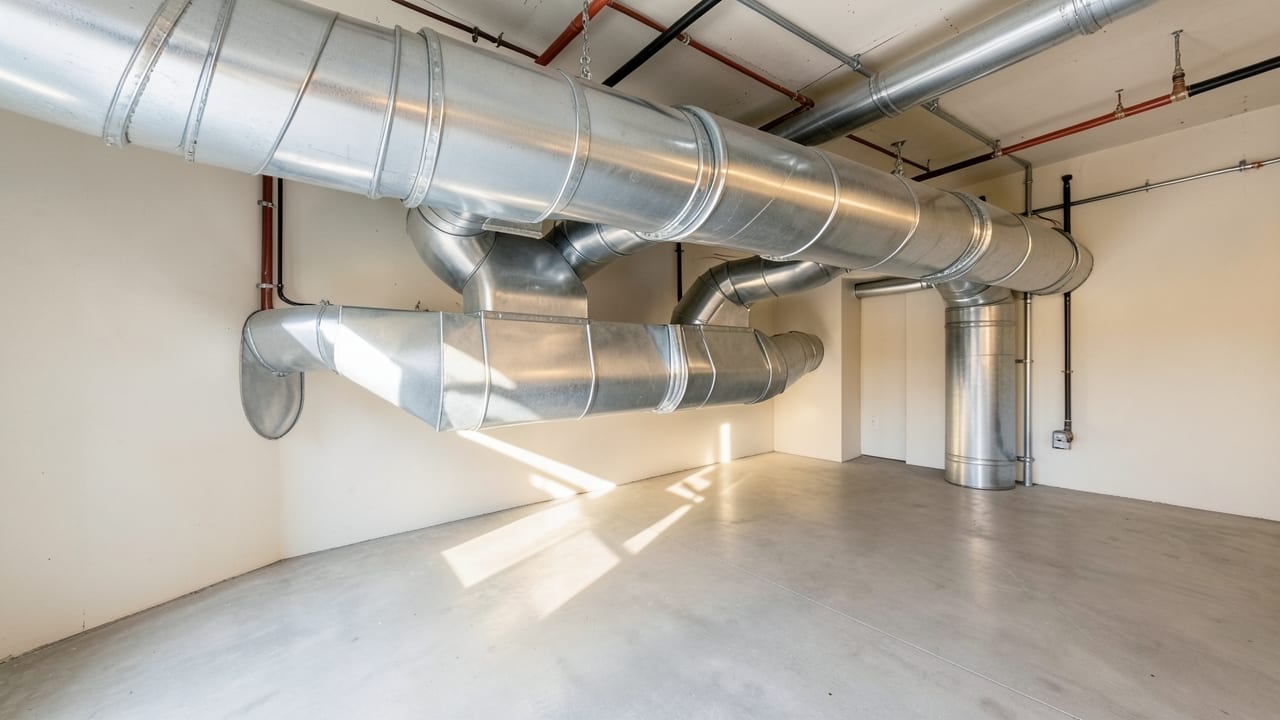
HVAC Mold Remediation in Victorville, CA
HVAC and ductwork mold remediation in Victorville, CA — mold growing inside the air handler or duct system, spreading through every vent.
Learn More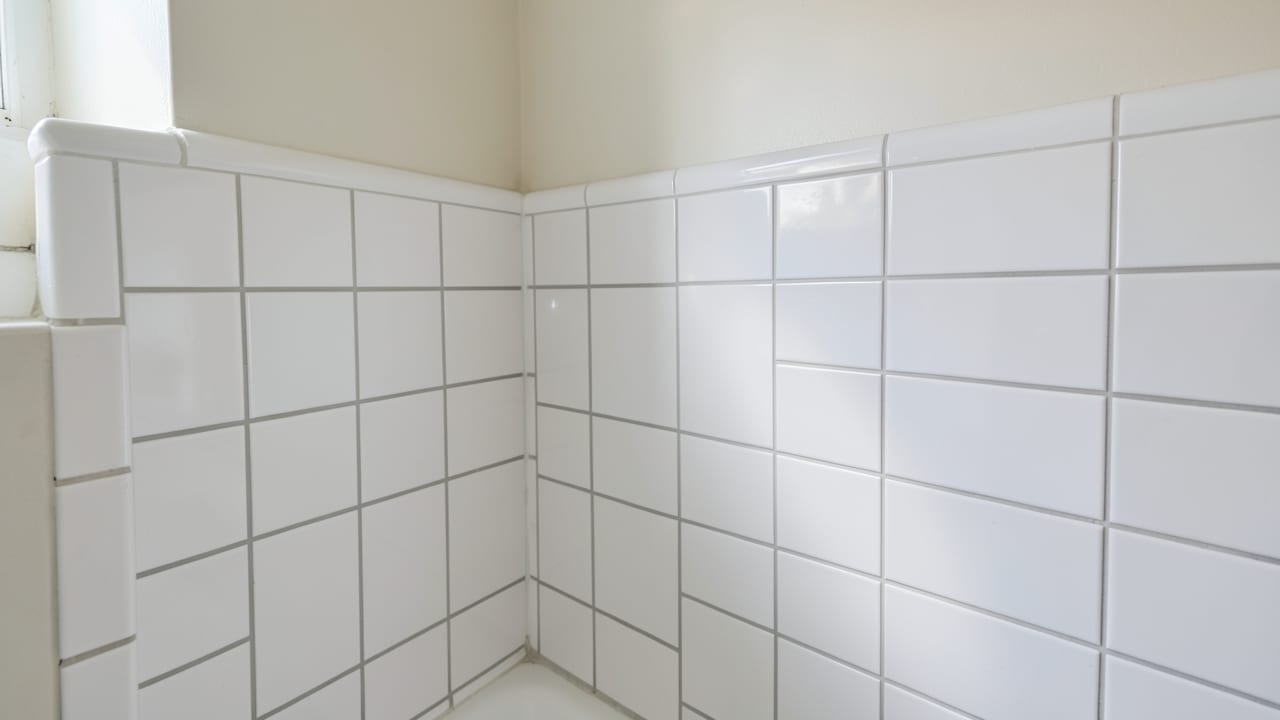
Bathroom Mold Removal in Victorville, CA
Professional assessment and removal of mold in bathrooms to restore a safe, clean environment.
Learn More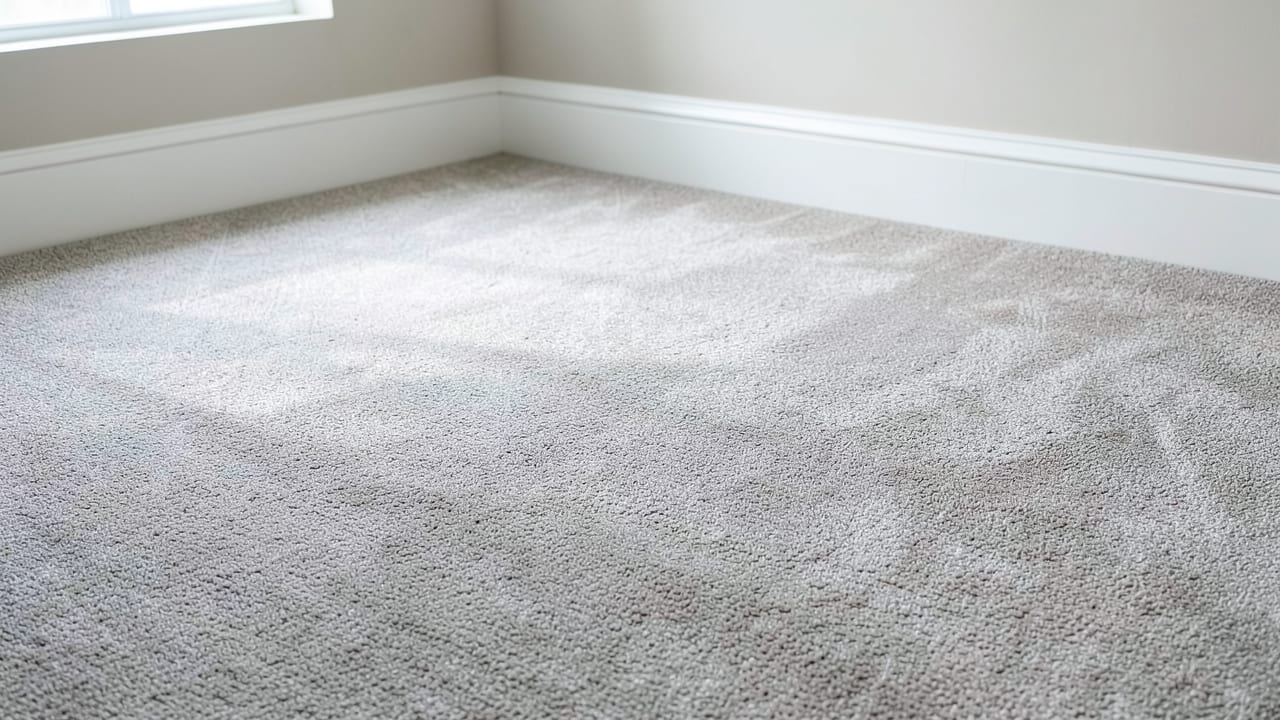
Carpet Mold Treatment in Victorville, CA
Professional assessment and removal of mold growth from carpets to restore a safe indoor environment.
Learn More
Garage Mold Removal in Victorville, CA
Professional assessment and removal of mold growth in garages to restore a safe, clean space.
Learn More
Plaster Mold Remediation in Victorville, CA
Professional removal and treatment of mold from plaster surfaces in homes.
Learn MoreCommon Questions About Mold Remediation in Victorville
Everything you need to know about mold remediation services in Victorville
How much does Balcony Mold Cleanup typically cost in Victorville, CA?
Can mold really be a problem in a dry climate like Victorville, CA?
Is it safe to stay in the home during mold remediation?
Can small mold problems be handled without hiring anyone?
What's the actual difference between mold removal and mold remediation?
Is a final clearance test part of a typical mold remediation job?
Need Mold Remediation in Victorville?
Connect with local providers in Victorville for a detailed quote.
⏰ We answer your call • Serving all of Victorville and surrounding areas