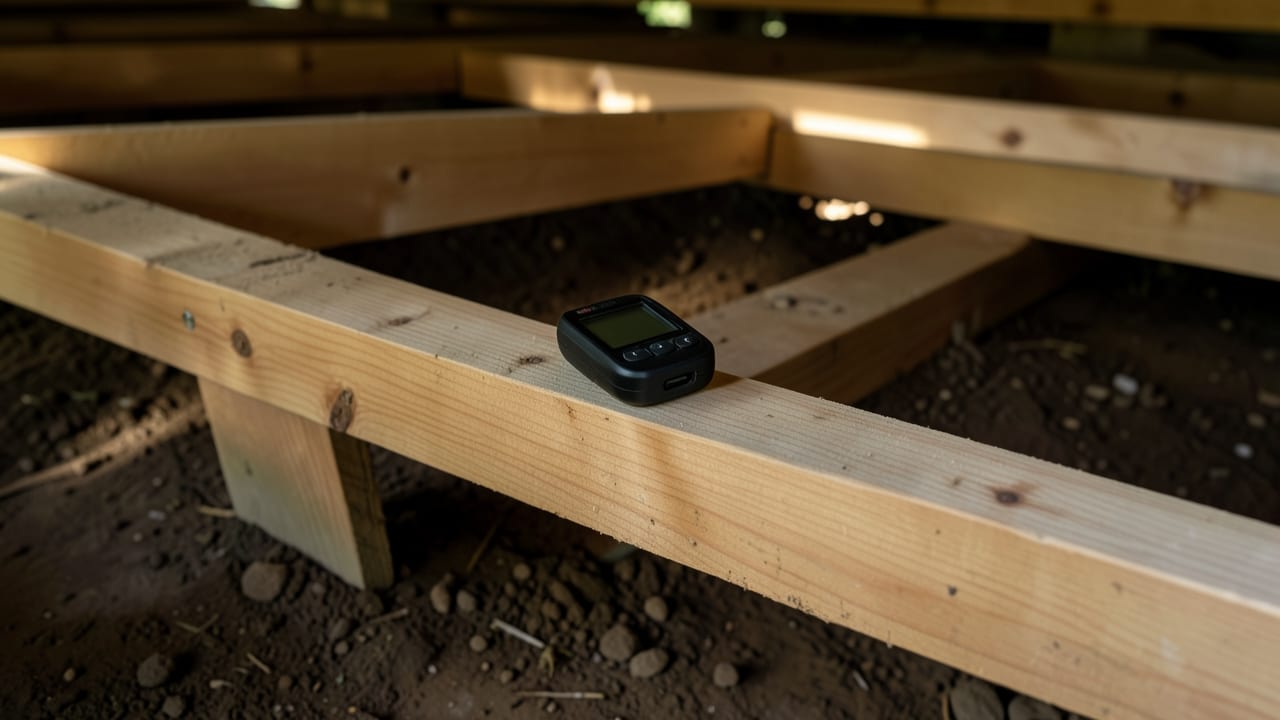
Spring Mold Inspection
Professional assessment and identification of mold growth in homes.
Spring in Victorville, CA, brings higher humidity and increased moisture risks in homes, making it an ideal time for a professional mold inspection. Trained inspectors assess your property for hidden mold growth, moisture sources, and potential damage, ensuring a thorough evaluation before any remediation is needed.
When to schedule an inspection
Mold often goes unnoticed until it becomes visible or causes health symptoms. Common signs include persistent musty odors in closets, bathrooms, or crawl spaces, visible mold spots on walls, ceilings, or window frames, or unexplained allergies that ease when avoiding certain rooms.
We also handle Crawl Space & Basement Mold Remediation and Attic Mold Remediation for Victorville properties.
Even if you don’t see mold, past leaks or flooding—even if dried—can leave hidden growth.
Seasonal checks in high-risk areas like basements, attics, and bathrooms can catch problems early. A professional inspection maps affected areas, identifies moisture sources, and provides lab-backed data to guide next steps—whether that’s targeted cleaning, repairs, or full remediation.
Signs You May Need an Inspection
- A musty or earthy smell that lingers after airing out a room or space
- Visible mold growth—black, green, brown, or dark speckles—on walls, ceilings, grout, or window frames
- Water stains or bubbling paint that suggest hidden moisture
- Allergy or respiratory symptoms that improve when away from home
- A past leak or flood that was cleaned but never professionally inspected for hidden mold
What the inspection covers
A spring mold inspection in Victorville includes a visual walkthrough, moisture detection using meters and thermal imaging, and targeted sampling where needed. Every room is assessed for visible growth, staining, and hidden dampness, with findings documented in a detailed report.
The goal is to identify not just mold presence but also the moisture source driving it—critical for preventing recurrence.
Samples collected during the inspection are sent to an independent, accredited lab for analysis. Results typically return in two to five business days and include spore counts compared to a control sample from an unaffected area.
This ensures accurate identification of species and contamination levels, which informs remediation planning if needed.
| Step | What It Involves | Typical Duration |
|---|---|---|
| Visual Inspection | Trained inspector examines walls, ceilings, basements, and other prone areas for visible mold, staining, or musty odors. | 30–60 minutes |
| Moisture Detection | Moisture meters and thermal imaging identify hidden dampness in cavities, subfloors, or roof lines. | 20–40 minutes |
| Air & Surface Sampling | Spore-trap air samples and surface swabs collected from affected and control areas for lab analysis. | 15–30 minutes |
| Lab Analysis | Samples sent to an independent lab for species identification and spore concentration; results returned in 2–5 business days. | 2–5 business days |
| Moisture Source Diagnosis | Inspector traces moisture back to its origin (e.g., roof leak, plumbing issue, poor grading) to address the root cause. | Varies by property |
Preventing mold between inspections
While professional inspections catch hidden issues, daily habits reduce the risk of mold growth in Victorville’s climate. Controlling indoor humidity is the most effective preventive measure—keeping levels under 50% with a hygrometer, especially in basements and bathrooms.
Fixing small leaks promptly (e.g., under sinks, pipes, or roofs) prevents moisture buildup that mold thrives on.
Ventilation also plays a key role: running bathroom exhaust fans for 20–30 minutes after showers removes excess humidity, and ensuring crawl spaces or attics have proper airflow can deter mold establishment.
A quick seasonal check of these areas with a flashlight can reveal early signs of dampness before they become widespread.
How a spring mold inspection works
- 1Visual Walkthrough
The inspector examines every accessible area of your home—walls, ceilings, basements, attics, and under sinks—for visible mold, staining, or musty odors. They note signs of water damage or poor ventilation that could contribute to growth.
- 2Moisture Detection
Using moisture meters and thermal imaging, the inspector checks hidden areas like wall cavities, subfloors, and roof lines for dampness that isn’t visible to the naked eye. This step helps identify moisture sources driving mold.
- 3Targeted Sampling
If the source of contamination isn’t clear, air and surface samples are collected from affected areas plus one unaffected room as a control. Samples are sealed and labeled to prevent cross-contamination before being sent to a lab.
- 4Lab Analysis & Reporting
An independent lab analyzes the samples for mold species and spore concentration, comparing results to the control sample. The inspector then compiles findings into a written report detailing affected materials, moisture sources, and square footage involved.
- 5Moisture Source Diagnosis
The inspector traces moisture back to its origin—whether a roof leak, plumbing issue, or poor grading—and documents it in the report. Addressing the source is critical to preventing future mold growth.
Frequently asked questions
What’s the difference between a mold inspection and mold testing?
A mold inspection includes a visual assessment, moisture detection, and targeted sampling if needed, while mold testing typically refers only to the lab analysis of collected samples. An inspection provides a full picture of the problem, including moisture sources, whereas testing alone may not identify why mold is present or where it’s likely to return.
Do I need a mold inspection if I’ve already had a leak repaired?
Yes. Even if a leak is fixed, hidden moisture can remain in walls, under flooring, or in cavities, creating conditions for mold to grow. A professional inspection checks these areas to ensure no residual dampness or growth remains.
How long does it take to get lab results after sampling?
Lab turnaround for mold samples typically takes two to five business days, depending on the laboratory’s workload. Results include spore counts and species identification, which help determine whether remediation is needed.
Can I clean mold myself, or do I always need a professional inspection first?
For small, visible mold patches (under 10 square feet) on non-porous surfaces, DIY cleaning with detergent and water may suffice. However, if mold covers a larger area, returns after cleaning, or you suspect hidden growth, a professional inspection is recommended to assess the full scope and moisture source.
Where Victorville sits, and what the Census lists nearby
Victorville sits in California, and the closest places listed in the U.S. Census Gazetteer are Mountain View Acres (2.1 miles south), Spring Valley Lake (5.3 miles southeast), Adelanto (6.1 miles northwest), Apple Valley (8.2 miles east).
Within 25 miles of Victorville the same source lists 13 distinct incorporated places and census-designated places.
Those figures matter for spring mold inspection because they are straight-line distances between Census coordinate points: road mileage between Victorville and Mountain View Acres runs longer than the 2.1 miles shown, which is why quotes for the same job differ between towns that look close together on a map.
Source: U.S. Census Bureau Gazetteer.
See Wrightwood, CA for more, or take a look at the rest of our Victorville lineup at a glance for our complete lineup.
Ready to get started?
Talk to a local mold remediation pro in Victorville — get a written quote.
Other Mold Remediation Services in Victorville
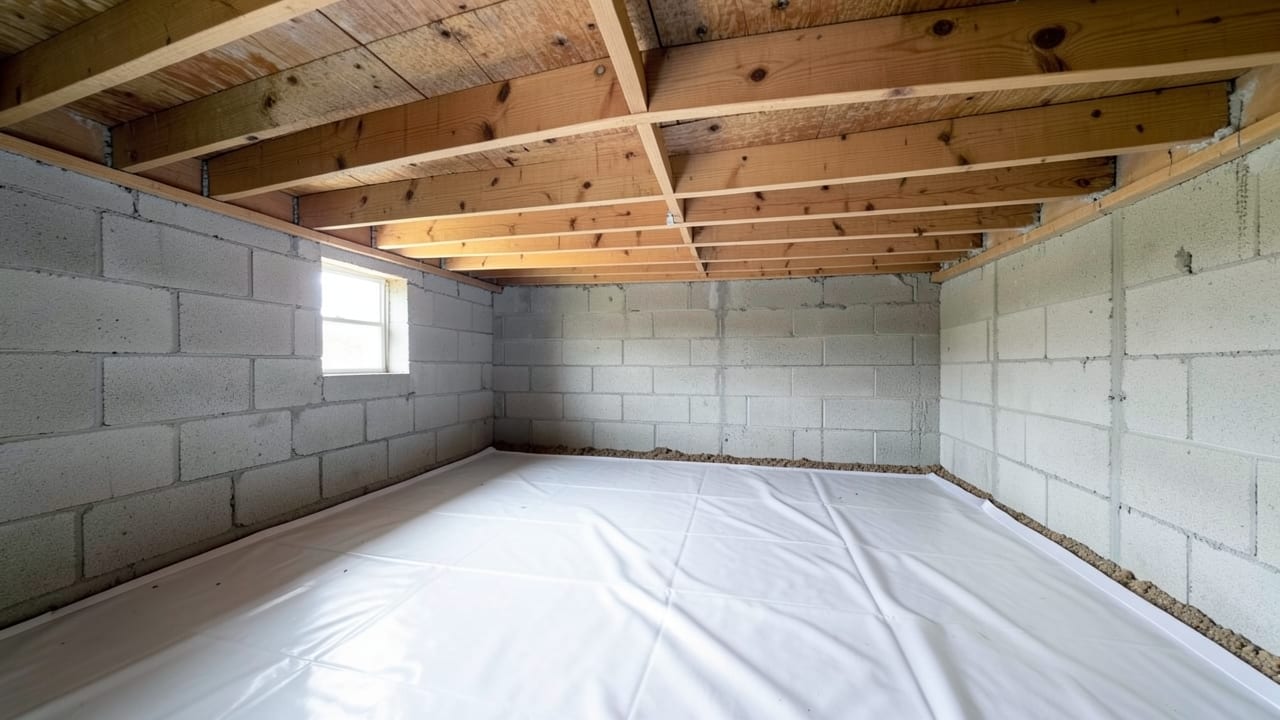
Crawl Space & Basement Mold Remediation in Victorville, CA
Crawl space and basement mold remediation in Victorville, CA addresses the two areas of a property most prone to trapped, unnoticed moisture.
Learn More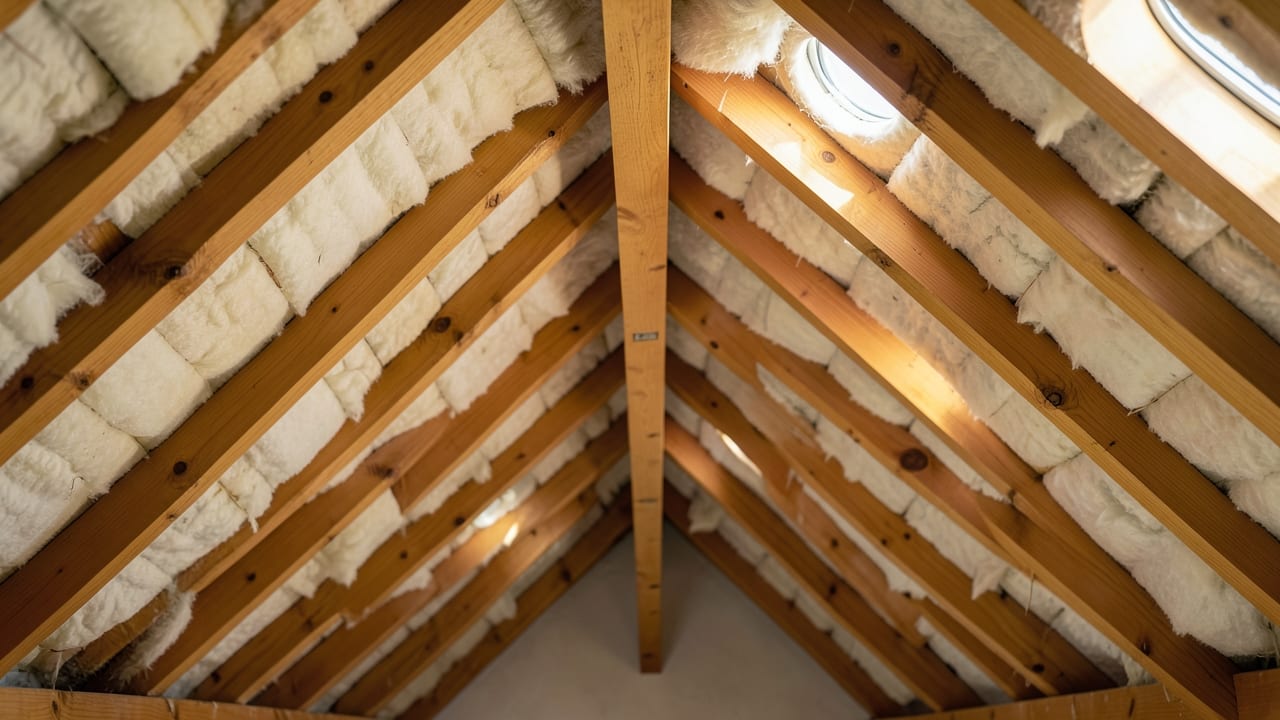
Attic Mold Remediation in Victorville, CA
Attic mold remediation in Victorville, CA addresses roof-deck growth typically caused by poor ventilation or a hidden roof leak.
Learn More
Commercial Mold Remediation in Victorville, CA
Commercial mold inspection and remediation in Victorville, CA for offices, retail space, and multi-unit properties, scheduled around business operations.
Learn More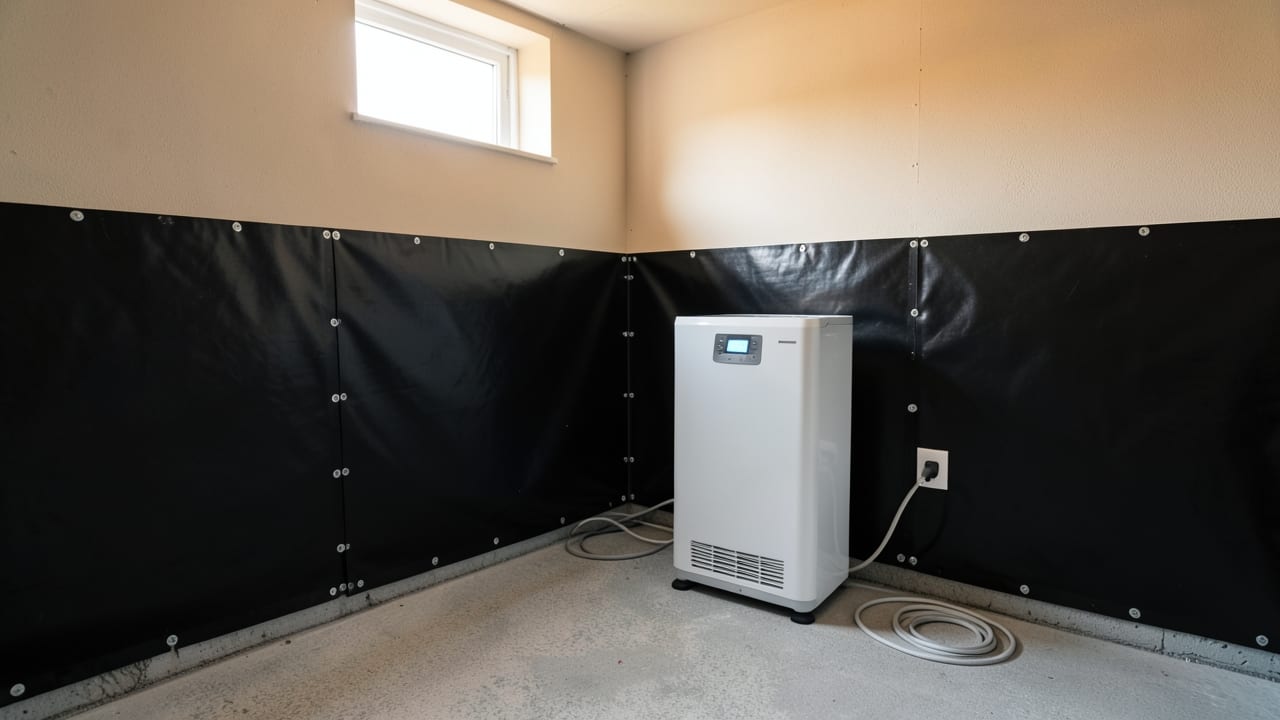
Mold Prevention & Moisture Control in Victorville, CA
Mold prevention and moisture control in Victorville, CA — addressing ventilation, humidity, and drainage before growth starts, not after.
Learn More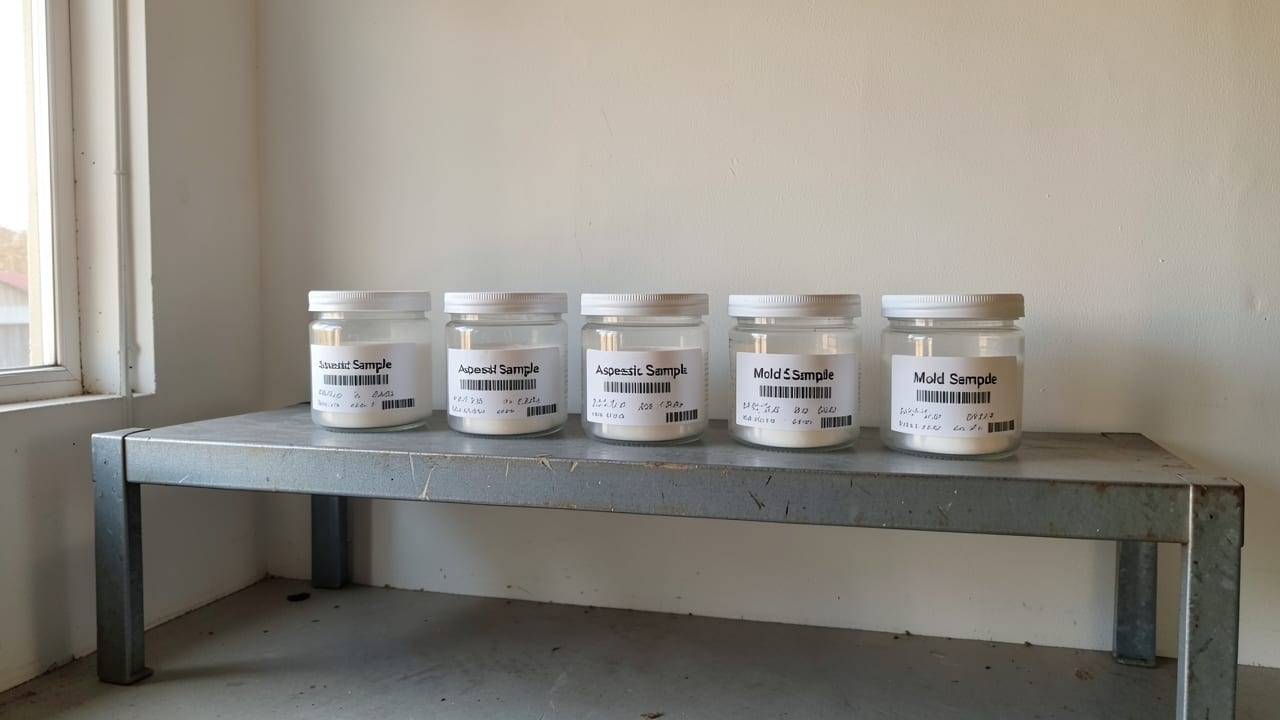
Mold & Asbestos Testing in Victorville, CA
Combined mold and asbestos testing in Victorville, CA — one inspection visit, lab-verified results for both.
Learn More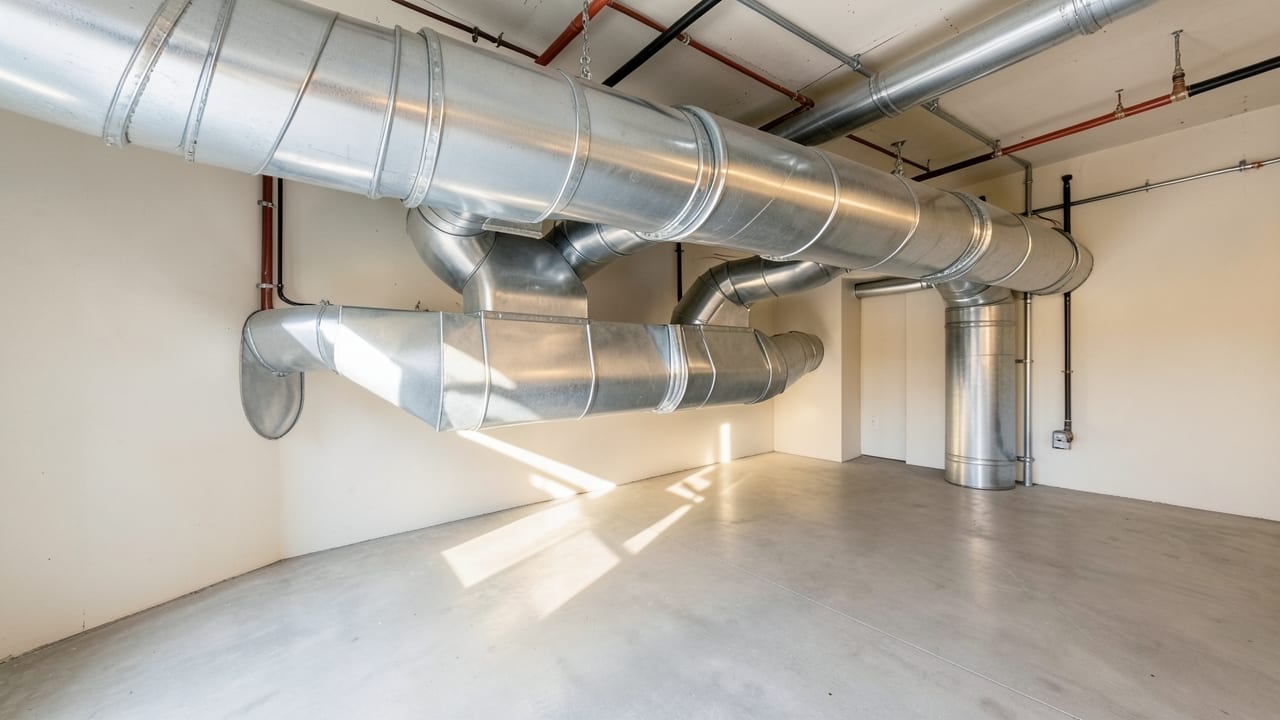
HVAC Mold Remediation in Victorville, CA
HVAC and ductwork mold remediation in Victorville, CA — mold growing inside the air handler or duct system, spreading through every vent.
Learn MoreCommon Questions About Mold Remediation in Victorville
Everything you need to know about mold remediation services in Victorville
How much does Spring Mold Inspection typically cost in Victorville, CA?
Can mold really be a problem in a dry climate like Victorville, CA?
Is a final clearance test part of a typical mold remediation job?
How does mold remediation actually prevent the problem from coming back?
Can mold growing inside HVAC ductwork spread to the rest of a home?
Does mold mean the same thing as mildew?
Need Mold Remediation in Victorville?
Connect with local providers in Victorville for a detailed quote.
⏰ We answer your call • Serving all of Victorville and surrounding areas